
kitchen backsplash glass panels
How to Close the Water Valve A Step-by-Step Guide Closing a water valve is a crucial skill for homeowners and renters alike. Whether you are tackling a plumbing issue, preparing for maintenance, or simply trying to conserve water, knowing how to properly shut off your water supply is essential. This article will guide you through the steps necessary to close a water valve safely and effectively. Why You Might Need to Close the Water Valve There are several scenarios in which you may need to close your water valve. Common reasons include 1. Plumbing Repairs If you are fixing a leaky faucet, changing out a toilet, or repairing pipes, it’s important to close the valve to prevent water from flowing and creating a mess. 2. Emergencies In the event of a burst pipe or severe leak, turning off the water can help minimize damage to your home. 3. Seasonal Maintenance For those living in colder climates, it may be necessary to shut off the water to outdoor faucets to prevent freezing and cracking during winter. Identifying Your Water Valves Before you can close a water valve, you need to know where they are located. There are usually two types of valves in a typical household 1. Main Shut-off Valve This valve controls the water supply to your entire home. It is typically located near the water meter or where the main water line enters your house. 2. Individual Shut-off Valves These valves control the water supply to specific fixtures, such as sinks, toilets, and appliances. They are usually located close to the fixture they serve. Step-by-Step Instructions to Close the Water Valve Now that you are familiar with the types of valves, here is how to close them how to close the water valve 1. Gather Necessary Tools You may not need any tools for most valves since they can often be operated by hand. However, having a wrench or pliers nearby can be helpful for more stubborn valves. 2. Locate the Valve Find the appropriate valve that you need to close. If it's the main shut-off valve, look for a round wheel or a lever. For individual fixtures, check under the sink, behind the toilet, or near appliances. 3. Turn Off the Valve - For a Round Wheel Valve Turn the handle clockwise (right) to close it. You may need to use some force if it hasn’t been turned in a while. - For a Lever Valve Switch the lever 90 degrees to the right (or perpendicular to the pipe) to shut off the water. 4. Test the Valve Once closed, turn on a faucet connected to the same line to check if water is still running. If it stops, you've successfully closed the valve. 5. Address Any Issues If the valve is leaking or difficult to turn, you may need to consult a plumber to avoid any complications. Do not force a valve that is stuck, as this could cause damage. Conclusion Knowing how to close the water valve is an important home maintenance skill. Whether you are performing repairs, tackling leaks, or mobilizing for seasonal changes, securely shutting off your water supply helps protect your property, save water, and mitigate potential damage. Always remember to check your valves periodically to ensure they remain in good working condition. With these steps, you will be well-equipped to manage your water supply efficiently.
about
kitchen backsplash glass panels
The Importance of 300mm Gate Valves in Industrial Applications Gate valves are essential components in various fluid control systems, especially in industrial applications. Among them, the 300mm gate valve stands out due to its significant size and capabilities. This article delves into the various aspects of 300mm gate valves, including their design, uses, advantages, and maintenance. Design and Functionality A gate valve is designed primarily to start or stop the flow of fluid within a pipeline. The 300mm size indicates a nominal diameter of 300 millimeters, making it suitable for handling substantial volumes of fluids. Typically, these valves feature a wedge-shaped gate that moves up and down within the valve body. When the valve is fully open, the gate is completely retracted, providing minimal resistance to flow. Conversely, when closed, the gate seals tightly against the valve seat, preventing any leakage. These valves are often constructed from robust materials such as cast iron, carbon steel, or stainless steel, ensuring they can withstand the pressures typically encountered in industrial settings. Moreover, the design of a 300mm gate valve allows it to be operated efficiently in a variety of applications, including water distribution, sewage treatment plants, oil refineries, and power generation facilities. Applications The versatility of the 300mm gate valve makes it suitable for numerous applications . In water distribution systems, for instance, it plays a crucial role in controlling water flow through pipelines, ensuring that supplies can be easily managed and redirected as necessary. In the oil and gas industry, these valves are utilized to regulate the flow of crude oil, natural gas, and other petroleum products. Additionally, in sewage treatment and wastewater management, 300mm gate valves are employed to control the flow of sewage and effluents. Their ability to provide a tight seal ensures that unwanted leaks do not occur, which is critical for maintaining environmental standards and preventing contamination. Advantages 300mm gate valve One of the primary advantages of using a 300mm gate valve is its low-pressure drop when fully opened. This characteristic makes it an ideal choice for applications requiring a high flow rate. Unlike other types of valves that create more friction and turbulence, gate valves allow for smooth fluid flow, contributing to system efficiency. Another benefit is their durability and longevity. When properly maintained, a 300mm gate valve can function effectively for many years without significant wear. Their design also minimizes the chances of erosion and corrosion, particularly when made from high-quality materials. Furthermore, these valves are easy to operate. Most are equipped with handwheels or various types of actuators, including electric or pneumatic options, allowing for simple and effective manual or automated operation. Maintenance Considerations While 300mm gate valves are robust and reliable, regular maintenance is crucial to ensure optimal performance. Regular inspections should include checking for any signs of wear, corrosion, or malfunction. It’s important to keep the valve clean and lubricated to prevent blockages and reduce friction during operation. When servicing a gate valve, it is essential to ensure that the valve is completely closed before maintenance work begins. Additionally, it is important to follow manufacturer guidelines regarding disassembly and reassembly to avoid damaging the valve components. Conclusion The 300mm gate valve is a vital element in the efficient functioning of various industrial applications. Its design, versatility, and low-pressure drop make it an ideal choice for controlling fluid flow in large-scale systems. With proper maintenance, these valves can offer reliability and longevity, ensuring seamless operation in critical infrastructure. As industries continue to evolve, the role of gate valves, especially those of larger sizes like the 300mm variant, will remain indispensable. Proper understanding and handling of these essential components will help enhance efficiency and reduce costs across various sectors.
-

High quality industrial productsagement

High quality industrial products
View Details -

Meet the diverse needs of customers

Meet the diverse needs of customers
View Details -

Strict quality control

Strict quality control
View Details -

Top raw materials

Top raw materials
View Details -

Trusted supplier

Trusted supplier
View Details
Our application



news and information

What Is the Difference Between Y Type Strainer and Basket Type Strainer_
In fluid systems, strainers play a crucial role in ensuring the cleanliness and efficiency of the pr
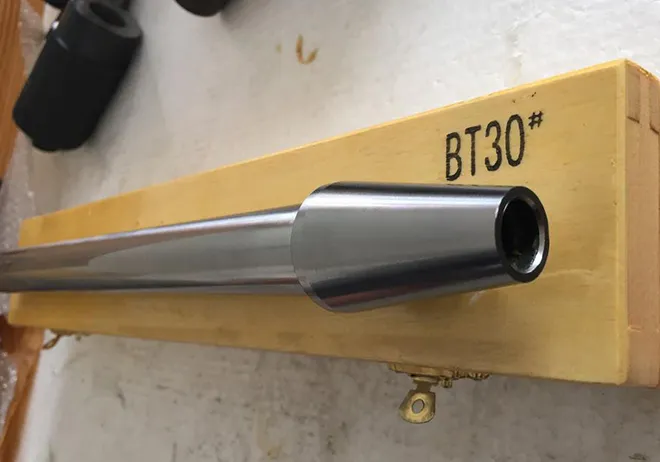
Using a Spirit Level for Accurate Measurements and Leveling Techniques
Understanding Spirit Level Measurements A Guide to Precision in Construction and Crafting In constru

Válvula borterilha de 1,5 polegadas para aplicações industriais e de encanamento.
Válvula Borboleta de 1.5 Polegadas Um Componente Essencial na Indústria As válvulas borboleta desemp
 English